

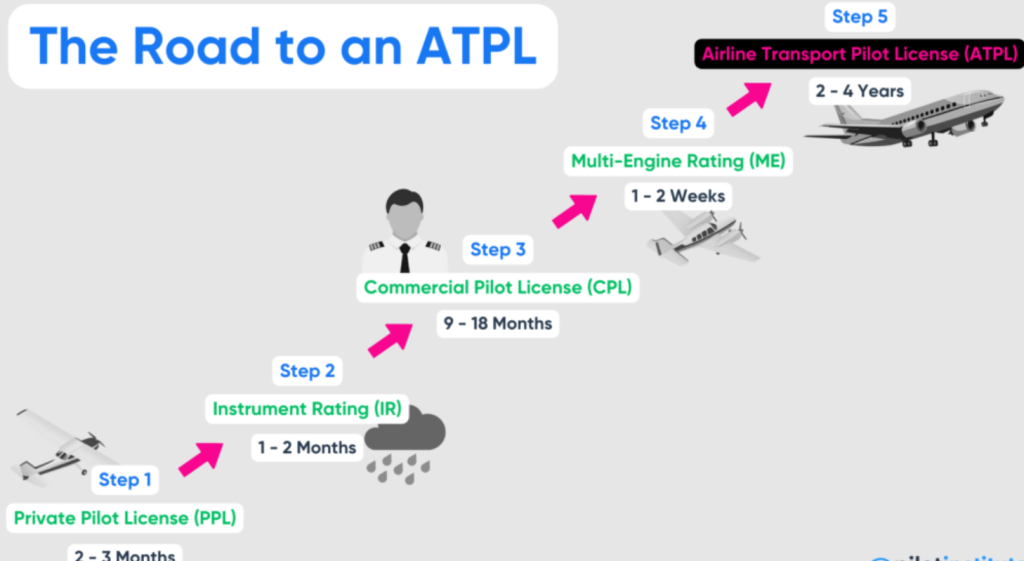
A Commercial Pilot License (CPL) is a type of pilot license that allows the holder to fly an aircraft for compensation or hire. It is the first level of pilot license that allows pilots to fly for commercial purposes. To obtain a CPL, pilots must meet certain requirements, including:
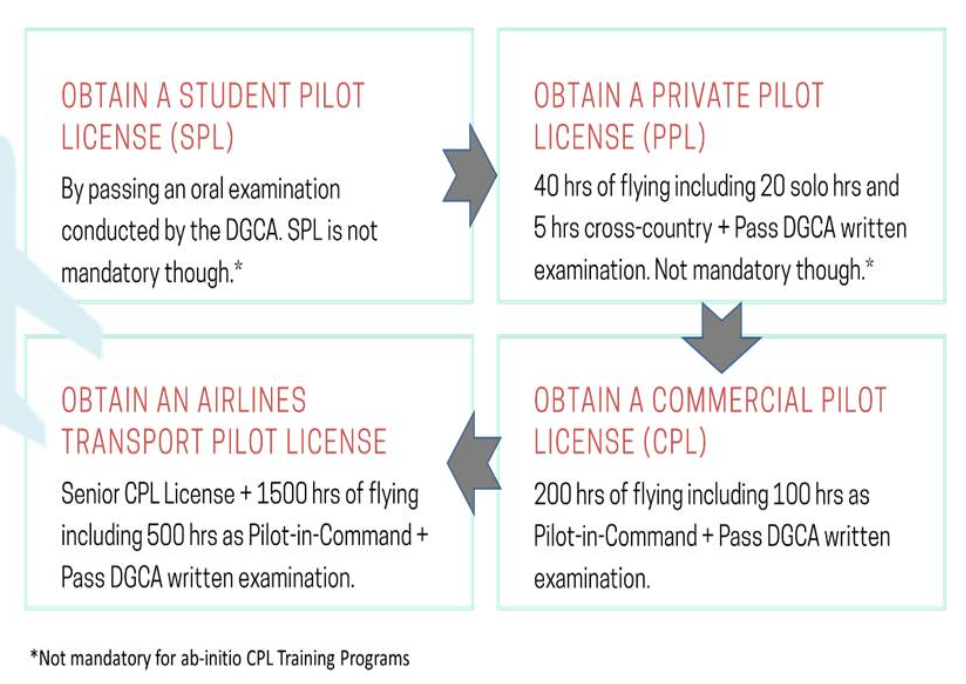
- Be at least 18 years old
- Hold a valid Private Pilot License (PPL)
- Complete a minimum of 250 hours of flight time, including 100 hours as pilot in command
- Pass a written exam and a practical flight test
In addition to the above requirements, pilots must also meet certain medical standards. Pilots must have a valid Class 1 medical certificate, which is the highest level of medical certification for pilots.
The cost of obtaining a CPL varies depending on the flight school and the location. In general, it costs between $50,000 and $100,000 to obtain a CPL.
With a CPL, pilots can fly for commercial airlines, charter companies, or even start their own businesses. They can also fly for non-profit organizations, such as air ambulance services.
Here are some of the benefits of having a CPL:
- The ability to fly for compensation or hire
- The ability to fly larger and more complex aircraft
- The ability to work as a commercial pilot for an airline or charter company
- The ability to start your own business as a pilot
If you are interested in becoming a commercial pilot, there are a few things you can do to get started:
- Do your research and find a reputable flight school.
- Talk to other pilots and get their advice.
- Start saving money for flight training.
- Get in good physical condition.
Becoming a commercial pilot is a challenging but rewarding career. If you are passionate about flying, a CPL can be the first step to a fulfilling career in aviation.
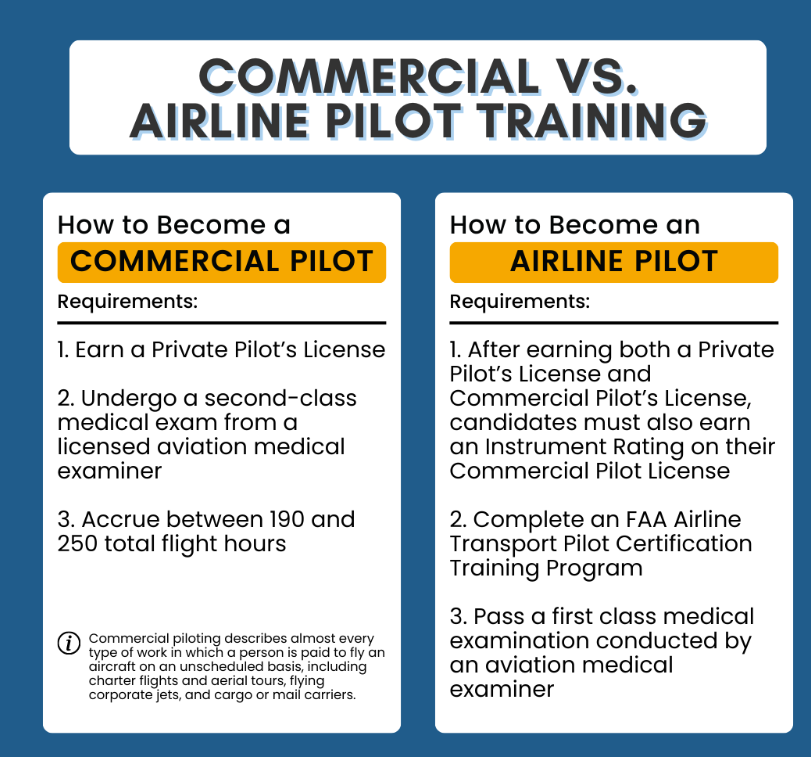
A Commercial Pilot License (CPL) is a specialized pilot’s license that allows individuals to operate aircraft for compensation or hire. In other words, holders of a CPL can be paid for their services as pilots. This type of license is a significant step beyond a private pilot license and represents a higher level of training, experience, and qualifications. Here are key points about a Commercial Pilot License (CPL):
- Eligibility: To qualify for a CPL, individuals must meet specific requirements, which can vary by country and aviation authority. Common eligibility criteria include:
- Being at least 18 years old.
- Holding a private pilot license.
- Accumulating a minimum number of flight hours (typically around 250 hours in many cases).
- Passing a series of written exams covering aviation knowledge.
- Meeting medical fitness requirements.
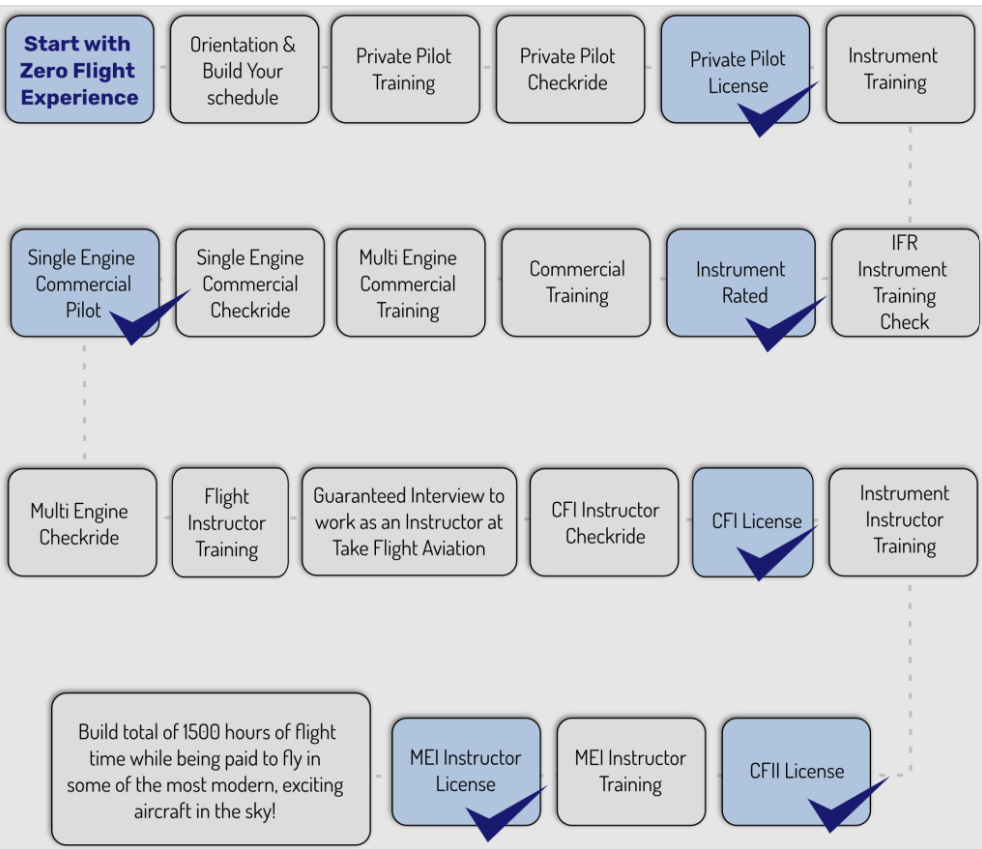
- Training: CPL candidates undergo comprehensive training that includes both ground school instruction and flight training. This training covers advanced flight techniques, navigation, aerodynamics, emergency procedures, and more.
- Flight Hours: CPL candidates are required to accumulate a specified number of flight hours, which includes solo and dual flight time. These hours go beyond the flight hours required for a private pilot license.
- Theory Examinations: Candidates must pass written examinations that assess their knowledge of aviation regulations, meteorology, navigation, aircraft systems, and related topics.
- Checkrides: To earn a CPL, candidates must pass a practical flight test, commonly known as a checkride. During the checkride, a certified flight examiner evaluates the candidate’s flying skills, decision-making abilities, and proficiency in handling various flight scenarios and emergencies.
- Privileges: Once awarded a CPL, pilots are permitted to operate aircraft for commercial purposes. They can work as commercial airline pilots, cargo pilots, charter pilots, flight instructors, and in other aviation-related roles. They can receive compensation for their piloting services.
- Continuing Education: Commercial pilots are encouraged to engage in ongoing education and training to stay up-to-date with industry standards and regulations. Continuous learning is crucial to maintaining and advancing their careers.
- Airline Transport Pilot License (ATPL): For those aiming to become airline captains, the next step after obtaining a CPL is often pursuing an Airline Transport Pilot License (ATPL). An ATPL is the highest level of pilot certification and is required for command roles on large commercial aircraft.

I enjoyed reading the blog on the Commercial Pilot Licence (CPL) — it’s clear, encouraging and very practical. The way the article explains what a CPL actually is—you get to fly for pay and make aviation your profession—really helps make the dream of flying feel closer. I also appreciated how it breaks down the eligibility steps (minimum age, medical certificate, academic background) and the training components like ground school, flying hours and exams. The section on what you can do after a CPL — from airline co‑pilot to charter pilot and instructor — gives a realistic view of the opportunities ahead. I found the tone friendly yet honest about the hard work, time and investment involved, which makes the guide feel trustworthy rather than just promotional. Thanks for putting together such a valuable resource for anyone considering taking off into a pilot career.
Heya this is kinda of off topic but I was wanting to know if blogs use WYSIWYG editors or if you have to manually code with HTML. I’m starting a blog soon but have no coding know-how so I wanted to get guidance from someone with experience. Any help would be enormously appreciated!
This is very attention-grabbing, You are an excessively professional blogger.I’ve joined your feed and stay up for in quest of extra of your fantastic post. Also, I have shared your web site in my social networks。
I like the valuable info you provide to your articles. I will bookmark your weblog and check once more here regularly. I am reasonably sure I’ll be told lots of new stuff proper right here! Best of luck for the following!
It’s amazing to pay a quick visit this web page and reading the views of all colleagues concerning this article, while I am also keen of getting familiarity.
great submit, very informative. I wonder why the other experts of this sector don’t realize this. You should proceed your writing. I’m confident, you have a great readers’ base already!
As a Newbie, I am permanently searching online for articles that can benefit me. Thank you
I really enjoyed how this article breaks down the Commercial Pilot License (CPL) in a way that’s both detailed and easy to follow. It starts with the essential prerequisites like age, medical fitness, and basic training, and then clearly explains what you need to do to earn and use a CPL professionally. I appreciated how the article highlights the difference between recreational flying and commercial flying, and why obtaining a CPL is a big step toward a career as a professional pilot. The explanation about building flight hours, the required exams, and how the CPL opens doors to jobs like charter flying, flight instruction, or airline entry-level positions really helps set realistic expectations. It’s also honest about the effort, commitment, and costs involved, yet still motivating for anyone seriously thinking about flying commercially. Overall, this feels like a practical and inspiring guide for aspiring pilots in India or anywhere else looking to make aviation their career.
Clear and informative explanation of how a Commercial Pilot License (CPL) opens the path to professional flying careers through structured training and real flight experience.